There’s a moment usually around hour two of your first Zanzibar sunset, cold Kilimanjaro beer in hand, feet still warm from the sand, the call to prayer echoing faintly from the old town when you understand why people come here once and spend the rest of their lives trying to get back.
Zanzibar is not quite like anywhere else on earth. It’s the place where the African continent meets the Indian Ocean in the most sensory, unexpected, genuinely beautiful way. Arab architecture, Swahili culture, Indian Ocean seafood, Portuguese history, British colonial echoes all layered into one archipelago barely 50 kilometres from the Tanzanian coast.
This guide covers everything from the practical to the poetic. Whether you have four days or four weeks, whether you’re on a honeymoon or a solo adventure, whether your budget is tight or limitless Zanzibar rewards every type of traveler who gives it the chance.
Why Travelers Fall in Love With Zanzibar
The honest answer is: it’s different from what you expected. People come for beaches and yes, the beaches are extraordinary. But they stay in love because of the food they tasted at a local grill on Forodhani Night Market. Because of the conversation they had with a spice farmer in Kizimbani who knew more about cinnamon than anyone they’d ever met. Because of the dhow they took at sunset off Kendwa, watching the sky turn colors that don’t have names.
Zanzibar doesn’t perform for tourists. It simply is and that authenticity is rarer than most travelers realize until they’re standing inside it.
Best Beaches in Zanzibar
Nungwi – The Icon of the North
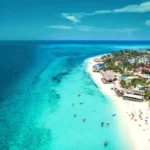
If there’s one beach that ends up in every travel photographer’s portfolio, it’s Nungwi. Located at Zanzibar’s northernmost tip, Nungwi has the most consistently calm, clear water because unlike the east coast, it doesn’t fully empty at low tide. The beach is wide, white, and backed by swaying palms with a lively mix of backpacker guesthouses, boutique hotels, and upscale beach bars. Sunset at Nungwi is practically obligatory.
Kendwa – Quieter, Just as Gorgeous
A 10-minute walk south of Nungwi, Kendwa feels quieter and slightly more relaxed. The full moon parties here are legendary among long-term travelers. During the day, the water is glass-calm and the vendors less persistent than in more touristy areas.
Paje – The East Coast Soul
Paje is the east coast’s heartbeat. The beach is absurdly wide and the water a luminous shallow blue-green that stretches for hundreds of metres at low tide creating the conditions that have made Paje the kitesurfing capital of East Africa. There’s a village here that feels genuinely Zanzibari, with local restaurants, surf shacks, and a slower pace that independent travelers tend to gravitate toward.
Matemwe – For the Quiet Luxury Seeker
Matemwe on the northeast coast is where you go when you want space. The beach is extraordinary, several world-class dive sites are just offshore, and the handful of boutique resorts here are among Zanzibar’s finest. It’s the spot for people who want to feel genuinely remote without sacrificing comfort.
Other Notable Beaches
- Michamvi Peninsula jaw-dropping bay views, peaceful, great for photographers
- Pwani Mchangani local, uncrowded, authentic beach village feel
- Uroa calm and quiet, popular with families
Stone Town: The Ancient Heart of Zanzibar
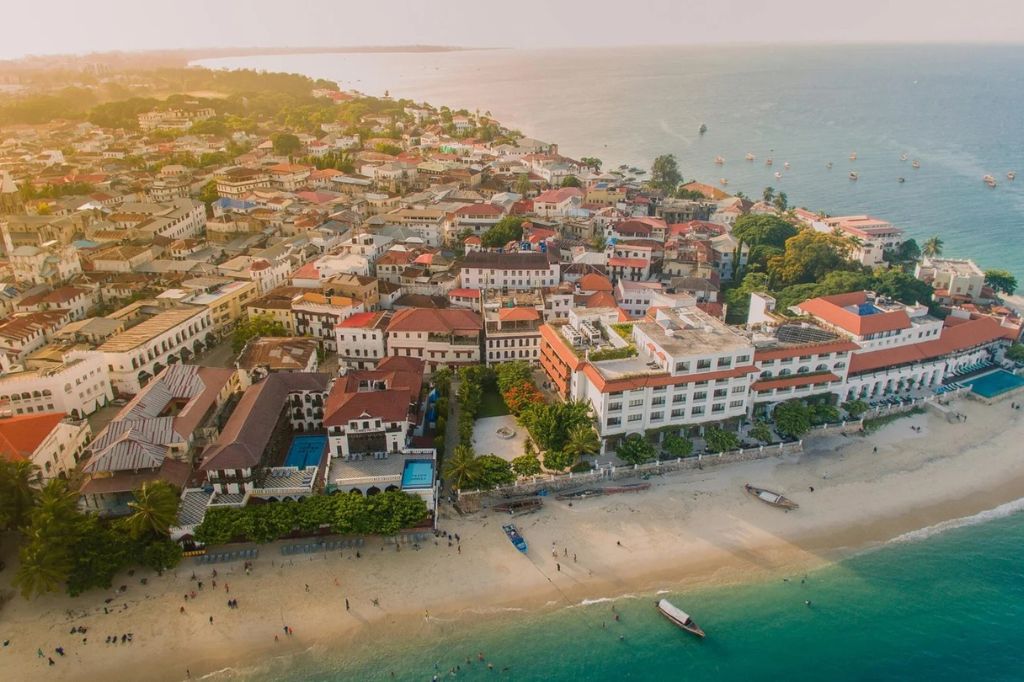
No visit to Zanzibar is complete without at least two or three days in Stone Town. It is a UNESCO World Heritage Site and one of the most architecturally fascinating small cities in the world a labyrinth of narrow coral stone alleys, carved wooden doors, Omani palaces, Indian merchant houses, and mosques that have been standing for centuries.
Stone Town is also where Freddie Mercury was born, a fact locals mention with enormous pride.
What to Do in Stone Town
- Forodhani Night Market Eat here. It’s a waterfront street food market that comes alive after dark. Zanzibar pizza (a local flatbread-omelette hybrid), fresh seafood, sugarcane juice, and Zanzibari coffee. Eat like a local for under $10.
- The House of Wonders (Beit el-Ajaib) Currently under renovation but worth seeing for its history as the first building in East Africa to have electricity and an elevator
- Old Slave Market & Anglican Cathedral A profoundly moving historical site. The cathedral was built deliberately over the site of East Africa’s largest slave market as a statement of abolition.
- Hamamni Persian Baths 19th century Persian baths, beautifully preserved
- Old Fort (Ngome Kongwe) Hosts cultural events and markets
- Spice Market The Darajani Market in the mornings is the authentic version of what organized spice tours recreate later in the day
💡 Insider Tip: Stone Town is best explored without a map. Yes, you will get lost. That’s the point. Every dead end leads to something unexpected a crumbling mosque courtyard, a woman braiding hair outside a carved door, a tiny chai shop run by a man who learned English from BBC radio. These are the moments that Stone Town is made of.
North vs East Coast: Which Side Should You Stay On?
| Criteria | North Coast (Nungwi/Kendwa) | East Coast (Paje/Matemwe) |
|---|---|---|
| Water swimming | Year-round (no tidal flats) | Tide-dependent; reef lagoon |
| Vibe | Lively, social, sunset bars | Windswept, laid-back, surfer energy |
| Activities | Snorkeling, dhow trips, nightlife | Kitesurfing, diving, yoga retreats |
| Accommodation | More options, all budgets | More boutique/isolated options |
| Best for | First-timers, couples, groups | Repeat visitors, solo travelers, kitesurfers |
Our recommendation for most travelers: spend 1–2 nights in Stone Town, then 3–5 nights on the north coast (Nungwi or Kendwa). If you have a week or more, add 2 nights on the east coast for contrast.
Finding the Right Place to Stay in Zanzibar
Where you stay in Zanzibar makes an enormous difference to the kind of trip you have and the right choice depends entirely on who you are and what you’re looking for. A honeymooning couple who wants a private beach villa with spa access has very different needs from a family of four who want calm swimming, easy excursions, and early dinners. A solo traveler chasing sunsets and nightlife belongs somewhere different from a diver who wants to roll out of bed and be in the water by 7am. Matching accommodation to your priorities beach preference, budget, activities, atmosphere is something we enjoy helping with, because we know this island well. If you’d like a personalised recommendation for where to stay based on your specific trip, feel free to reach out to our team directly. We’ll point you in exactly the right direction.
Food: What and Where to Eat in Zanzibar
Zanzibari cuisine is a revelation. The island sits at the crossroads of centuries of Indian Ocean trade routes, and the food reflects it: fragrant curries, coconut-infused stews, Arabic flatbreads, fresh tuna and lobster from the same waters you swam in this morning. Eating well in Zanzibar requires almost no effort.
Must-Try Foods
- Zanzibar Pizza street food at Forodhani Night Market, filled with egg, minced meat, and cheese
- Urojo (Zanzibar Mix) a tangy, turmeric-yellow soup with bhajia, potato, and coconut chutney. A Stone Town breakfast staple.
- Biryani the Zanzibar version uses cloves and cardamom from local spice farms
- Grilled Lobster buy direct from fishermen at Kendwa and ask your guesthouse to grill it
- Mchuzi wa Pweza octopus in coconut curry. The south coast village of Kizimkazi has some of the best you’ll ever eat.
Top Activities and Excursions
Safari Blue
One of Zanzibar’s most popular full-day excursions, and rightly so. You sail a traditional dhow through the Menai Bay Conservation Area, stopping to snorkel over coral reefs, swim in an open ocean sandbank, and eat a freshly prepared seafood lunch under a sail. It’s genuinely magical the kind of day you’ll still be describing ten years later.
Spice Farm Tour
Zanzibar earned the nickname “Spice Island” honestly. Cloves, vanilla, nutmeg, cardamom, cinnamon, lemongrass, turmeric many grown in family-run farms in the central highlands. A good spice tour takes you through the living plants, lets you smell, taste, and feel every spice in its natural form, and usually ends with a traditional Zanzibari lunch. Book through a local operator rather than a hotel package for a more authentic experience.
Prison Island (Changuu Island)
A 20-minute boat ride from Stone Town, Prison Island was once a quarantine station and is now home to a colony of giant Aldabra tortoises, some over 100 years old. Snorkeling around the island reveals pristine coral and abundant marine life. It’s a relaxed half-day and an absolute hit with families and first-time visitors.
Jozani Forest
Tanzania’s only national park on an island, Jozani is home to the endangered Zanzibar red colobus monkey found nowhere else on earth. Walking through the forest with knowledgeable guides, watching these vivid rust-and-white primates leap through the canopy above you, is one of those quietly extraordinary wildlife moments that doesn’t require a safari vehicle.
Swimming with Dolphins at Mnemba Island
Mnemba Atoll, floating off the northeast coast near Matemwe, is one of those marine environments that earns its reputation completely. Spinner dolphins frequent these waters in numbers that can seem almost surreal pods of dozens moving through the blue around your boat before you even hit the water. Snorkeling alongside them in the open ocean, with the coral-ringed atoll glimmering below, is one of those experiences that travels home with you in a way that photographs never fully capture. The whale sharks, green turtles, and extraordinary reef life around Mnemba make this a world-class snorkeling destination at any time of year.
Jet-Ski and Jet-Car Rides on the Indian Ocean
For travelers who want a shot of adrenaline between the quieter moments of island life, Zanzibar’s waters deliver in spectacular fashion. Jet-ski rides along the north coast the turquoise Indian Ocean stretching out ahead, the spray catching the light, the shoreline racing past are one of the most exhilarating things you can do here that doesn’t require a wetsuit. Jet-car experiences take the concept further, with purpose-built watercraft that handle more like a powerboat than a ski, ideal for couples or families who want speed, salt air, and a story to tell over dinner. These experiences are especially popular at Nungwi and Kendwa, where the calm, tide-free waters provide ideal conditions year-round.
Turtle Sanctuaries and Conservation Experiences
Zanzibar sits along the nesting route of both green and hawksbill sea turtles, and several community-led turtle sanctuaries around the island allow visitors to engage with conservation efforts in a genuinely meaningful way. Nungwi’s turtle sanctuary is one of the most accessible a functioning rescue and rehabilitation center where injured turtles are nursed back to health before being returned to the sea. You can wade into the lagoon pens, observe the turtles up close, and learn about the conservation challenges facing marine turtle populations in the Indian Ocean. It’s an experience that tends to resonate particularly deeply with families, and one that connects the natural beauty of Zanzibar’s waters to the human effort required to protect them.
Best Time to Visit Zanzibar
| Month | Weather | Notes |
|---|---|---|
| Jun–Oct | Dry, sunny, cooler | Peak season. Best weather. Book ahead. |
| Dec–Feb | Dry, hot (30°C+) | High season. Excellent beach conditions. |
| Mar–May | Long rains (masika) | Green, lush. Lower prices. Some roads affected. |
| Nov | Short rains (vuli) | Brief showers, mostly fine. Shoulder season deals. |
Sample Itineraries
4-Day Zanzibar Highlights
- Day 1–2: Stone Town explore the old city, Forodhani Night Market, Old Slave Market, spice market morning
- Day 3–4: North Coast (Nungwi) beach, snorkeling, sunset dhow cruise
7-Day Classic Zanzibar
- Day 1–2: Stone Town
- Day 3: Spice farm tour + Jozani Forest
- Day 4–5: North Coast (Nungwi/Kendwa) Safari Blue excursion
- Day 6–7: East Coast (Paje) kitesurfing lesson or dive, village walk
10-Day Honeymoon Zanzibar
- Day 1–2: Stone Town boutique hotel, private dhow sunset dinner
- Day 3: Spice farm + Prison Island
- Day 4–7: Matemwe or Nungwi luxury resort couples’ spa, snorkeling, sunrise breakfast on the beach
- Day 8–10: South coast boutique lodge private reef snorkeling, local village experience, Safari Blue
Local Culture and Etiquette
Zanzibar is a predominantly Muslim society and that context shapes everything from dress codes to the rhythm of daily life. Travelers who approach it with respect find the warmth of local hospitality extraordinary.
- Dress modestly in Stone Town and villages shoulders and knees covered away from the beach
- Remove shoes when entering mosques or private homes
- Ask before photographing people a simple “Je, naweza kupiga picha yako?” (Can I take your photo?) goes a long way
- During Ramadan, eating, drinking, or smoking in public during daylight hours should be avoided out of respect
- Greetings matter here a warm “Habari?” (How are you?) before any transaction is not just polite; it’s the expected norm
What Tourists Often Get Wrong in Zanzibar
- Renting a scooter without experience the roads are narrow, potholed, and local trucks move fast
- Visiting only one part of the island north and east coast are genuinely different experiences
- Not visiting Stone Town it’s the soul of Zanzibar and shouldn’t be rushed through in an afternoon
- Booking only packaged hotel excursions local operators often offer better, more authentic experiences at lower prices
- Not carrying USD or TZS cash many smaller restaurants, guesthouses, and vendors don’t accept cards
Frequently Asked Questions
How many days do I need in Zanzibar?
Most travelers find 6–10 days ideal. This gives you time for Stone Town, the beaches, and at least two or three excursions. Anything under 4 days feels rushed. If you can do 10 days or more, you’ll leave reluctantly but satisfied.
Can I visit Zanzibar without a safari?
Absolutely. Zanzibar stands entirely on its own as a travel destination. That said, combining 3–5 days of safari on the mainland with a week in Zanzibar is one of the most popular and rewarding travel combinations in all of Africa. Many travelers call it the perfect trip.
Is Zanzibar expensive?
It depends how you travel. Budget travelers can get by on $40–60 per day (guesthouse + local food + activities). Mid-range travelers typically spend $100–200/day. Luxury resorts run $300–600+ per night. There’s genuinely something for every budget here.
What currency is used in Zanzibar?
The Tanzanian Shilling (TZS) is the official currency. However, US dollars are widely accepted and often preferred at hotels and for activities. Carry a mix of both.
Is Zanzibar good for families?
Excellent. Prison Island’s giant tortoises, Jozani’s colobus monkeys, calm swimming beaches, and the sensory experience of Stone Town make Zanzibar a memorable family destination. Look at Nungwi or Uroa for the calmest swimming beaches for children.