You’re scanning the horizon through binoculars, and the grass is doing that thing it does at dawn glowing gold and amber in the first light. Then a guide named Joseph quietly says “chui” (leopard), and points to a tree you’ve been staring at for two minutes without seeing what’s in it. And there it is. Draped across a branch, tail hanging lazily. Looking back at you with the complete disinterest of something that’s never feared anything in its life.
That moment doesn’t happen by accident. It happens because Tanzania contains more wildlife than almost anywhere else on the planet, and because safari done properly is genuinely one of the most extraordinary things a human being can do with their time on earth.
Tanzania is home to more than 4 million wildebeest in the Great Migration, 17 national parks, and some of the best-managed conservation areas in Africa. This guide will help you choose the right parks, the right time, and the right type of safari for who you are and what you want to experience.
Why Tanzania Safari Stands Above the Rest
The honest comparison: Kenya, Botswana, and South Africa all offer excellent safaris. But Tanzania has a combination of assets that no other single country can match. The Serengeti alone covers nearly 15,000 square kilometers one of the largest intact ecosystems on earth. The Ngorongoro Crater is arguably the single greatest wildlife destination on the continent. The Great Migration, which is shared with Kenya’s Masai Mara, reaches its most dramatic phases inside Tanzania.
Beyond scale, Tanzania’s wilderness areas feel genuinely wild. The populations inside the national parks are wild animals behaving naturally the density and diversity of predators and prey here is unlike anywhere in human-managed conservation.
Tanzania’s Key Safari Parks
The Serengeti National Park
The name alone carries a kind of mythic weight that has been building for a century. The Serengeti is the great equalizer of safari dreams it meets expectations every time, because the ecosystem is so vast and so teeming with life that almost any day in the park produces extraordinary encounters.
The iconic acacia-dotted grassland of the central Serengeti (the Seronera Valley) is the classic image, and it delivers: resident lion prides, enormous elephant herds, hippo-dense rivers, and a permanent population of cheetah and leopard that makes sightings relatively reliable year-round.
But the Serengeti has distinct ecosystems. The northern Serengeti (Lamai and Kogatende) is where the wildebeest river crossings happen. The southern Serengeti (Ndutu area) is where hundreds of thousands of wildebeest calve in January–March. The western corridor is home to huge crocodile populations and remote wilderness. Plan with purpose.
Ngorongoro Conservation Area
Ngorongoro Crater is the world’s largest intact volcanic caldera, and it functions as a natural wildlife arena. The 260-square-kilometre floor of the crater contains the densest population of predators and prey in Africa resident lions, black rhino (one of Tanzania’s last strongholds), hyenas in enormous clans, buffalo in herds of thousands, and flamingos on the soda lake at the crater’s heart.
A day descent into the crater is unlike any other wildlife experience. You drive down into a world that operates on its own ecological logic, enclosed by 600-metre walls on every side. Most travelers do it as a day trip, but staying at one of the crater-rim lodges overnight and doing a dawn descent is something else entirely.
💡 Insider Note: The Ngorongoro Conservation Area fee structure changed in 2023, with higher crater descent fees. As of 2026, budget approximately $300–400 per vehicle per day for crater access in addition to the normal conservation area fees. Factor this into your budget from the start.
Tarangire National Park
Tarangire is the most underrated park in Tanzania’s northern circuit and one of the most genuinely memorable. During the dry season (June–October), the Tarangire River becomes the last water source for miles, pulling in elephant herds that can reach into the hundreds. Watching a column of 200 elephants move through the baobab-dotted landscape toward the river at dusk is something you won’t find in any brochure language.
Tarangire also has the highest concentration of baobab trees in Tanzania, creating a landscape unlike anywhere else in the country ancient, twisted giants that give the light a quality that photographers chase obsessively.
Lake Manyara National Park
Compact but ecologically extraordinary. Manyara hugs the base of the Great Rift Valley escarpment, and within just 325 square kilometres contains alkaline lake flamingos, tree-climbing lions (unique to Manyara), dense forest elephants, and a hippo-crowded channel near the park entrance. It’s typically done as a half or full day, often combined with the Ngorongoro–Serengeti circuit.
The Southern Circuit: Ruaha & Selous/Nyerere
If the northern circuit is Tanzania’s famous face, the southern circuit is its soul. Ruaha National Park and the Nyerere National Park (formerly Selous Game Reserve) are vast, remote, and rarely crowded. Walking safaris, boat safaris on the Rufiji River, and fly-in camps in the middle of wilderness so deep that the absence of other vehicles can feel almost disorienting this is Tanzania for people who’ve already done the northern circuit and want more.
The Great Migration: Tanzania’s Greatest Wildlife Event
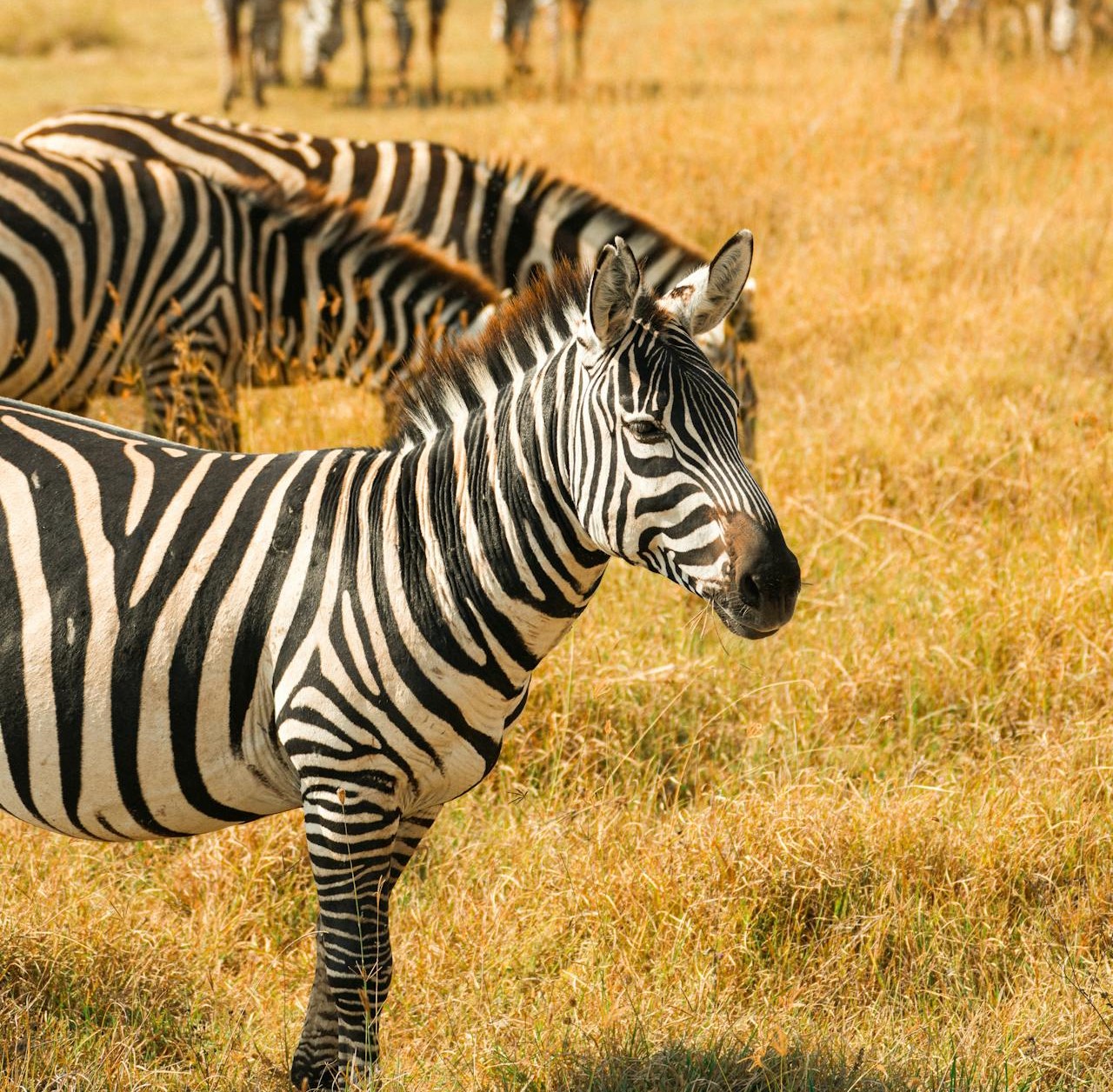
The Great Migration is not an event it’s a continuous cycle. Approximately 1.5 million wildebeest (plus hundreds of thousands of zebra and gazelle) follow rainfall and fresh grass in an eternal clockwise circuit between Tanzania’s Serengeti and Kenya’s Masai Mara.
| Month | Where to Be | What to See |
|---|---|---|
| Jan–Mar | Southern Serengeti (Ndutu) | Calving season hundreds of thousands of newborns, predator feeding frenzies |
| Apr–May | Central Serengeti | Herds moving north through Seronera Valley |
| Jun–Jul | Western Corridor | Mara River crossing attempts begin |
| Aug–Oct | Northern Serengeti (Kogatende/Lamai) | Peak river crossings the iconic wildebeest scenes |
| Nov–Dec | Moving south again | Return journey through the Serengeti ecosystem |
⚠️ Common Misconception: River crossings are not guaranteed events on any given day. Wildebeest can gather at the Mara River banks and then turn back multiple times before finally crossing. A good guide will position you correctly and patiently. The best river crossing sightings require staying several days in the northern Serengeti during August–October.
Luxury vs Budget Safari: What’s the Real Difference?
Budget Safari ($150–350/person/day)
Group safaris in shared 4WD vehicles (typically 6–7 people), midrange or budget tented camps, shared departure dates. The wildlife you see is identical to a luxury safari lions don’t charge more for proximity to a budget vehicle. What you pay for at higher price points is space, service, exclusivity, and comfort.
Mid-Range Safari ($350–600/person/day)
Smaller groups, better camps, more flexibility in game drive timing. Private tents with en-suite facilities, better food, more attentive guiding.
Luxury Safari ($600–1,500+/person/day)
Private vehicles with expert naturalist guides, exclusive-use camps in prime wildlife zones, bush dinners, sundowner stops, private chef, daily laundry, and perhaps most importantly camp locations often inaccessible to standard tours. In the Serengeti, being in a private mobile camp positioned at the river during migration season is a fundamentally different experience from staying in a large lodge 40km away.
Private vs Group Safari
For honeymooners, travelers with specific interests (photography, birding, specialist wildlife), and anyone who values flexible schedules a private safari is transformative. You set the pace. Your guide optimizes entirely for your interests. You can spend 90 minutes watching a cheetah teach her cubs to hunt instead of having to move on because the driver behind you is honking.
Group safaris work well for solo travelers wanting to share costs, and for travelers who enjoy the social element of experiencing wildlife moments with other people.
Safari Costs: An Honest Breakdown
| Component | Approximate Cost |
|---|---|
| Budget camp (per person per night, all-inclusive) | $150–250 |
| Mid-range lodge (PPNN, all-inclusive) | $300–550 |
| Luxury camp (PPNN, all-inclusive) | $600–1,500+ |
| Park fees (Serengeti, per 24hrs per person) | $70–82 |
| Ngorongoro crater fee (per vehicle) | $300–400 |
| Private safari vehicle per day | $150–300 |
| Kilimanjaro airport transfers | $60–120 |
A 5-day northern circuit safari for two people at mid-range can cost $3,000–5,000 total. At luxury level, $8,000–15,000+. The price difference is real, but so is the experience difference.
What to Pack for a Tanzania Safari
- Clothing: Neutral tones (khaki, olive, tan) avoid bright colors and white. Light layers mornings and evenings in the Serengeti and Ngorongoro can be surprisingly cool.
- Footwear: Comfortable closed-toe shoes for game walks, sandals for camp
- Protection: High-SPF sunscreen, wide-brim hat, UV-protective sunglasses, insect repellent (DEET-based)
- Health: Antimalarial medication (consult your doctor before travel), comprehensive travel insurance, personal medications
- Photography: Long telephoto lens (200–400mm+), extra batteries and cards, beanbag support for vehicle shots
- Documents: Tanzania eVisa printout, yellow fever certificate, travel insurance documents
- Cash: Small USD bills for tips. Guiding tip etiquette: $10–20 per guide per day is appreciated and appropriate.
Safari Photography Tips
- The golden hours (6:30–9:00am and 4:30–6:30pm) produce the best light and the most active wildlife prioritize early departures
- Shoot at eye level where possible ask your guide to position the vehicle for low-angle shots
- Patience beats movement a motionless vehicle near resting lions will produce better images than driving around looking for action
- Use continuous/burst mode for movement sequences
- A 500mm prime lens is a luxury but worth it for serious photographer’s rental is possible in Arusha
The Classic Safari + Zanzibar Combination
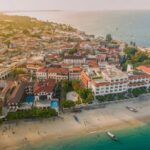
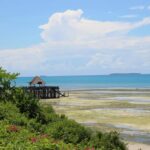
If you’re going to travel this far and honestly, Tanzania deserves the full investment of time the 8–12 day “Bush and Beach” trip is one of the most satisfying travel experiences available anywhere. Four to six days of safari in the northern circuit, then a short 45-minute domestic flight to Zanzibar for five to seven days on the Indian Ocean.
The contrast is extraordinary. From the red dust of the Serengeti to the white sand and turquoise water. From the predawn chill of a tented camp to the warm salt air of a beach cottage. Very few combinations in travel feel so completely rewarding.
Sample Safari Itineraries
5-Day Northern Circuit Classic
- Day 1: Arrive Kilimanjaro Airport → Arusha overnight
- Day 2: Drive to Tarangire National Park (full day)
- Day 3: Ngorongoro Conservation Area crater descent
- Day 4–5: Central Serengeti two full game drive days
- Day 6: Return to Kilimanjaro / fly to Zanzibar
8-Day Bush & Beach
- Days 1–5: Northern circuit as above
- Days 6–8: Fly to Zanzibar north coast beach (Nungwi/Kendwa), Stone Town half-day, spice farm
Frequently Asked Questions
Is Tanzania safe for safari?
Tanzania’s national parks and safari areas are very safe for tourists. The primary risk to wildlife viewers is from the wildlife itself, which is why guides are essential and all parks have strict protocols. Arusha, the main safari gateway, is a functioning city and generally safe with normal urban precautions.
What is the minimum age for safari in Tanzania?
Most camps and lodges accept children from 5 or 8 years old. Luxury mobile camps and some exclusive lodges may have minimum age requirements of 12. Walking safaris typically require guests to be 16+. Check with your operator before booking family safaris.
How do I avoid getting ripped off booking a safari?
Book through a registered, locally based Tanzania safari operator rather than international aggregators. Ask specific questions about vehicle type, guide experience, park access fees (are they included?), and accommodation quality. Be cautious of prices significantly below market rate corners are always cut somewhere.
Do I need malaria medication for Tanzania?
Yes. Malaria is present in Tanzania, including in safari areas. Consult your doctor well before departure for current prophylaxis recommendations. Mosquito repellent and sleeping under treated nets (provided at most camps) are additional precautions.
What’s the best month for a Tanzania safari?
June through October is the dry season peak wildlife viewing as animals concentrate around water sources. December through February is excellent for calving season in the southern Serengeti. The shoulder seasons (November, March) can offer good value and surprisingly good wildlife viewing.