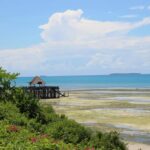

The most common message we receive from first-time visitors after they return from Zanzibar is some version of this: “I was nervous before I arrived, and I feel a little silly about that now.” This doesn’t mean Zanzibar is without anything worth knowing. It means the anxiety is usually larger than the reality.
Zanzibar receives over half a million international tourists annually. The vast, overwhelming majority have safe, wonderful trips. But you deserve an honest assessment the real picture, not a marketing-filtered one so that you can travel prepared, aware, and confident.
Overall Safety: The Honest Overview
Zanzibar is a low-to-moderate risk destination for international tourists in 2026. It is meaningfully safer than many major cities that serve as flight hubs for travelers visiting the island. The Tanzanian government and Zanzibar’s semi-autonomous administration have invested significantly in tourism infrastructure and security because the industry is one of the archipelago’s primary economic engines.
That said, Zanzibar is not a hermetically sealed resort island. It is a real place, with real communities, real economic pressures, and the ordinary complexities of any destination that receives a large volume of international tourists. Most issues travelers encounter are opportunistic nuisances not threats to physical safety.
Crime: What’s Real and What’s Exaggerated
Violent crime against tourists in Zanzibar is rare and not a defining feature of the destination. The more common issues travelers experience are:
- Petty theft mostly pickpocketing in crowded areas like Forodhani Night Market or Darajani Market in Stone Town
- “Beach boys” persistent but generally harmless vendors and informal tour touts on beaches, particularly at Nungwi
- Overcharging and scams common in the taxi and unregistered tour sectors
- Bag snatching occasional, primarily in Stone Town at night on quiet streets
The profile of crime in Zanzibar is opportunistic, not organized or targeted. Someone walking down a dark Stone Town alley at midnight with an expensive camera and a phone out is a target of opportunity. Someone eating dinner at a well-lit restaurant in the same neighborhood faces no meaningful risk.
Beach Safety
Beaches in Zanzibar are generally safe. There are no significant rip current issues on the main beaches. The main beach safety considerations are:
- Swimming during low tide: The east coast reef lagoon becomes very shallow at low tide not dangerous, but uncomfortable and scratchy on coral. Check tidal times.
- Sea urchins: Present on reef flats. Wear water shoes when walking on reef areas at low tide.
- Unsupervised beach valuables: Don’t leave bags, phones, or cameras unattended on the beach. Leave what you don’t need at the hotel.
- Boat and excursion safety: Only book water excursions through licensed operators. Life jackets should always be available.
Solo Female Traveler Safety in Zanzibar
Thousands of women travel solo to Zanzibar every year. The island is widely considered one of the safer solo female travel destinations in East Africa. Specific, honest considerations:
- Dress code: In Stone Town and villages, modest dress (shoulders and knees covered) is both culturally respectful and practical. Women who dress modestly away from beach areas report significantly less unwanted attention.
- Beach areas: Swimwear is entirely normal and appropriate at beach resort areas. The cultural context changes clearly at the beach this is a tourism zone.
- Nighttime: Walking alone at night in Stone Town is manageable if sticking to well-lit, frequented streets. After midnight in quieter alleys, use a taxi or ride-share.
- Verbal harassment: Some women report occasional verbal attention from men, especially in more tourist-heavy areas. It is generally not threatening, but it can be tiresome. Confident, direct “hapana” (no) or walking away without engagement usually works.
- Tour guides: Always use recommended or verified guides rather than accepting impromptu offers from strangers.
💡 Solo Female Traveler Tip: Connecting with women-led guesthouses and local women’s groups in Stone Town is a wonderful way to explore the city more confidently and with deeper insight. Several women-owned guesthouses specifically cater to solo female travelers.
Night Safety
Evening and nightlife in Stone Town and Nungwi are generally safe and enjoyable. Forodhani Night Market is lively, crowded, and perfectly manageable. Beach bars at Nungwi and Kendwa are social, well-lit, and frequented by a mix of tourists and locals.
Standard night safety measures apply: don’t display expensive items unnecessarily, don’t accept drinks from strangers, and get home by legitimate transport rather than accepting informal offers of a “cheap ride” from unknown individuals.
Transportation Safety
- Dala-dala (local minibuses): Safe, authentic local transport, though crowded. Not ideal for long journeys with luggage.
- Taxis: Use hotel-recommended or app-based taxis rather than flagging random vehicles. Agree on price before boarding.
- Bajaji (tuk-tuks): Fun for short Stone Town distances. Agree the fare first.
- Scooter rental: High-risk. Roads in Zanzibar are narrow, potholed, and local trucks and buses move quickly. We see tourists injured on scooters regularly. If you do rent, wear a helmet and do not ride at night.
- Ferries: The fast ferries between Dar es Salaam and Zanzibar (Azam Marine, Kilimanjaro Fast Ferries) are generally safe. Book through official offices rather than roadside touts.
Health and Medical Considerations
- Malaria: Present in Zanzibar. Consult your doctor about antimalarial prophylaxis before departure. Use DEET-based repellent and sleep under nets.
- Medical facilities: Zanzibar has basic medical facilities. For serious emergencies, medical evacuation to Nairobi or South Africa is the protocol this is why comprehensive travel insurance is essential.
- Hospitals: Mnazi Mmoja Hospital is the main government facility in Stone Town. Private clinics like Zanzibar Coastal Clinic offer better equipped care for tourists.
- Vaccinations: Yellow fever (required from at-risk countries), hepatitis A and B, typhoid, rabies (if spending extended time in rural areas), and standard travel vaccinations are recommended.
Food and Water Safety
- Water: Do not drink tap water in Zanzibar. Bottled water is available everywhere and inexpensive. Use bottled water for brushing teeth as well.
- Ice: Ice at established restaurants and resorts is generally made from filtered water. At small local spots, ask or skip it if you’re cautious.
- Street food: Generally safe when food is freshly cooked and hot. Forodhani Night Market food is eaten by thousands of tourists nightly. Use your judgment steer toward stalls with high turnover.
- Seafood: Fresh and generally excellent. The risk comes from improperly stored seafood in heat, which in well-run kitchens doesn’t occur. Stick to reputable restaurants for raw or lightly cooked seafood.
Tourist Scams to Know About
- The “friend” approach: Someone approaches claiming to know you or remember you from the ferry. Friendly conversation transitions to a product pitch or request. Polite but firm exit is the solution.
- Unofficial tour guides: People offering bargain tours in Stone Town without credentials. Some are genuinely knowledgeable; many will lead you into a shop with significant commission expectations. Book guides through hotels or registered operators.
- Overpriced taxis: Common near the airport and ferry terminal. Know the rough standard rates before you arrive.
- Spice “gifts”: Accepting “free” spices from a farm visit or trader that then has an implied obligation to pay. Politely decline unsolicited gifts.
Political Stability
Tanzania and Zanzibar are politically stable relative to the wider region. Zanzibar has its own elected government and periodic elections have historically involved tension, but the current period (2026) is stable. Avoid political demonstrations or large gatherings as a matter of standard traveler caution.
Emergency Contacts
- Police Emergency (Tanzania): 112 or 999
- Tourist Police (Stone Town): Ask your hotel for the direct number, which changes periodically
- Zanzibar Coastal Clinic: +255 777 411 011
- Your country’s embassy in Dar es Salaam carry the number before travel
What Most Tourists Misunderstand About Zanzibar
The most common misunderstanding is treating Zanzibar’s cultural conservatism as a threat. It isn’t. Most Zanzibaris are extraordinarily welcoming to respectful visitors and the keyword is respect. Travelers who dress appropriately away from the beach, greet people in Swahili, ask before photographing, and engage with genuine curiosity rather than entitled tourism routinely describe Zanzibar as one of the warmest, most welcoming places they’ve ever visited.
The island’s population has hosted merchants, explorers, and travelers from across the Indian Ocean world for a thousand years. Hospitality runs deep here. It just needs to be met with appropriate acknowledgment.
The Realistic Conclusion
Is Zanzibar perfectly safe? No destination is. Is Zanzibar appropriate for careful, aware international travelers? Absolutely and the experience awaiting you is genuinely worth every minute of planning. Travel smart, dress respectfully in cultural zones, use recommended operators, don’t flash valuables, and trust your instincts.
More than half a million tourists visit Zanzibar every year. Almost all of them leave wanting to come back.
Frequently Asked Questions
Is Zanzibar safer than mainland Tanzania?
Zanzibar is generally considered equally safe or marginally safer for tourists than Dar es Salaam (the mainland’s largest city). Safari areas in northern Tanzania are very safe. The comparison is less meaningful than it sounds both are manageable travel destinations with standard precautions.
Is Zanzibar safe for solo female travelers?
Yes, with awareness. Thousands of solo women visit Zanzibar annually. The key practical measures: modest dress away from beach zones, staying in well-reviewed accommodations, using verified transport, and not walking alone in dark streets after midnight. The vast majority of solo female travelers report a positive, safe experience.
Do I need travel insurance for Zanzibar?
Yes both comprehensive travel insurance and the mandatory Zanzibar Travel Insurance. Medical facilities on the island are limited, and serious emergencies require medical evacuation. Travel insurance that covers emergency medical treatment and evacuation is essential, not optional.
Is the water safe to drink in Zanzibar?
No. Drink only bottled or treated water. Bottled water is inexpensive and universally available.
What should I do if I’m a victim of crime in Zanzibar?
Contact the tourist police or local police immediately. Notify your hotel they can assist with translation and guidance. Contact your embassy if documents have been stolen. File a report for insurance purposes. Most petty theft (phone or wallet snatching) is resolved without further incident.